

Table of Contents
- Benefits of Home Extensions
- Types of Home Extensions
- Planning Your Home Extension
- Home Extension Process
- Conclusion
Benefits of Home Extensions
- Increased Living Space: Gain additional room for living, dining, or leisure activities without the hassle of moving.
- Enhanced Property Value: Well-executed extensions can significantly boost your home’s market value.
- Personalization: Customize your home to better suit your needs and preferences.
- Improved Functionality: Create more functional spaces, such as an extended kitchen, home office, or extra bedroom.
Types of Home Extensions
Rear Extensions
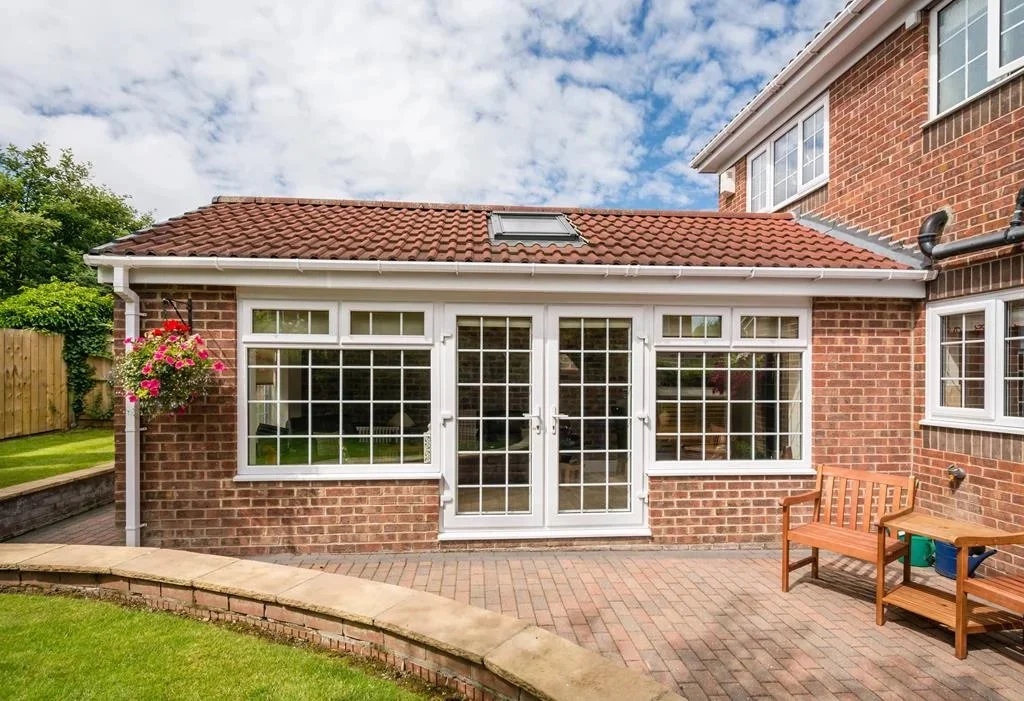
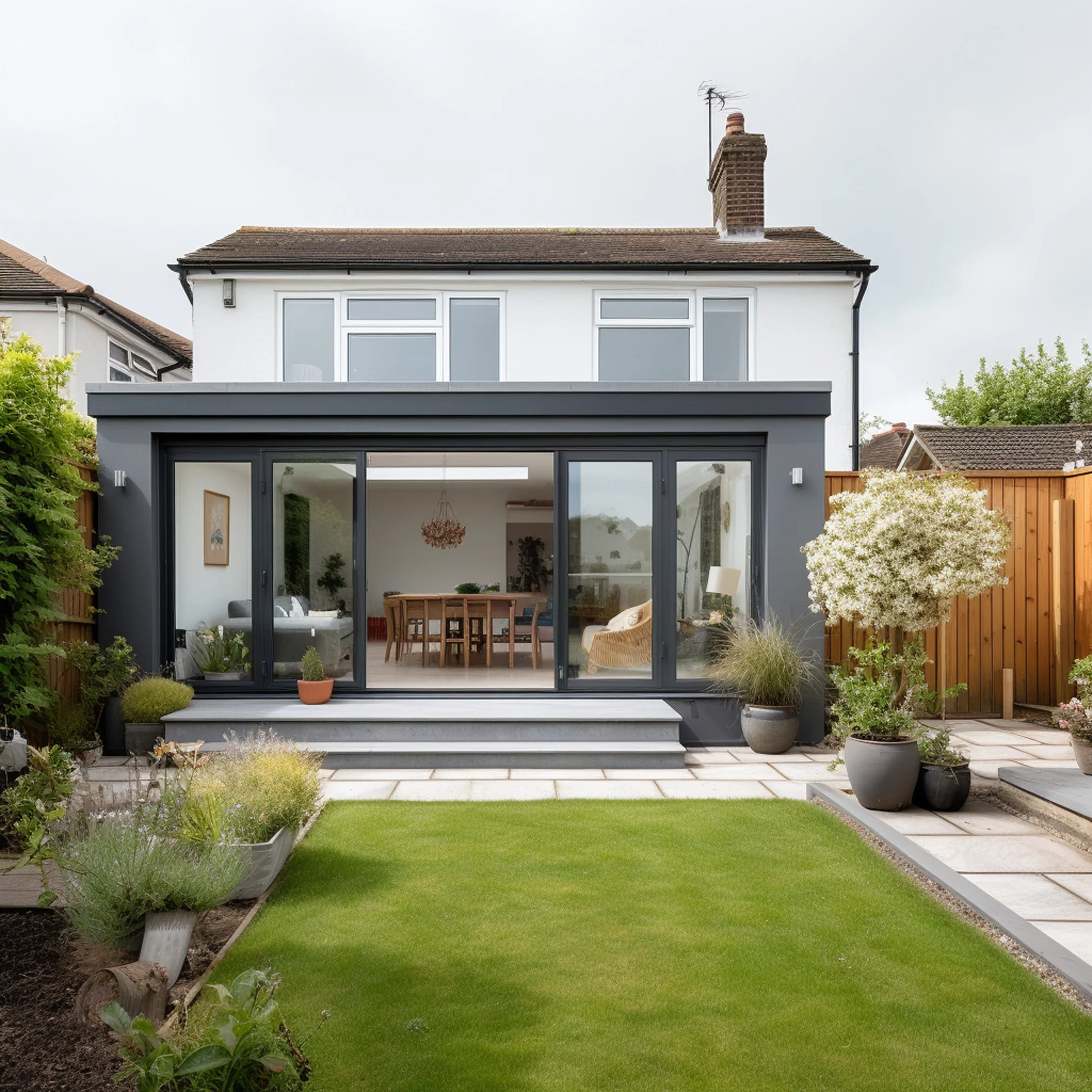
Rear extensions extend your home towards the garden, providing extra living space without altering the street view. They are ideal for expanding kitchens, creating open-plan living areas, or adding a sunroom.
Side Extensions
Side extensions make use of the unused space at the side of your house. These are perfect for narrow plots and can provide additional rooms or expand existing ones.
Wrap-around Extensions
A combination of rear and side extensions, wrap-around extensions offer maximum additional space. They are versatile and can significantly transform your home’s layout.
Two-Storey Extensions
Two-storey extensions add space both upstairs and downstairs. They are ideal for growing families needing extra bedrooms and bathrooms without losing garden space.
Conservatories and Orangeries
Conservatories and orangeries are glass extensions that provide bright, airy spaces connected to your garden. They are perfect for dining areas, lounges, or indoor gardens.
Planning Your Home Extension
Assessing Your Needs
Identify why you need the extension and what you hope to achieve. Consider factors such as the number of additional rooms, their purpose, and how they will integrate with the existing layout.
Setting a Budget
Establish a realistic budget that covers all aspects of the extension, including design, materials, construction, and finishing. Factor in contingencies for unexpected costs.
Design and Layout
Work with architects and designers to create a plan that maximizes space, complements your home’s style, and adheres to local building regulations. Focus on functional and aesthetic aspects to ensure a harmonious addition to your home.
Navigating Permits and Regulations
Ensure you understand the necessary permits and regulations for your extension. This includes planning permission, building regulations approval, and any local zoning laws. Your contractor can assist in navigating these requirements.
Choosing the Right Contractor
Select a reputable contractor with experience in home extensions. Look for positive reviews, a strong portfolio, and clear communication. At BNS Groundwork London, we pride ourselves on delivering high-quality extensions with a commitment to customer satisfaction.
Home Extension Process
Initial Consultation and Design
Begin with a consultation to discuss your vision, needs, and budget. Our team will then create a detailed design plan and obtain necessary permits.
Construction Phase
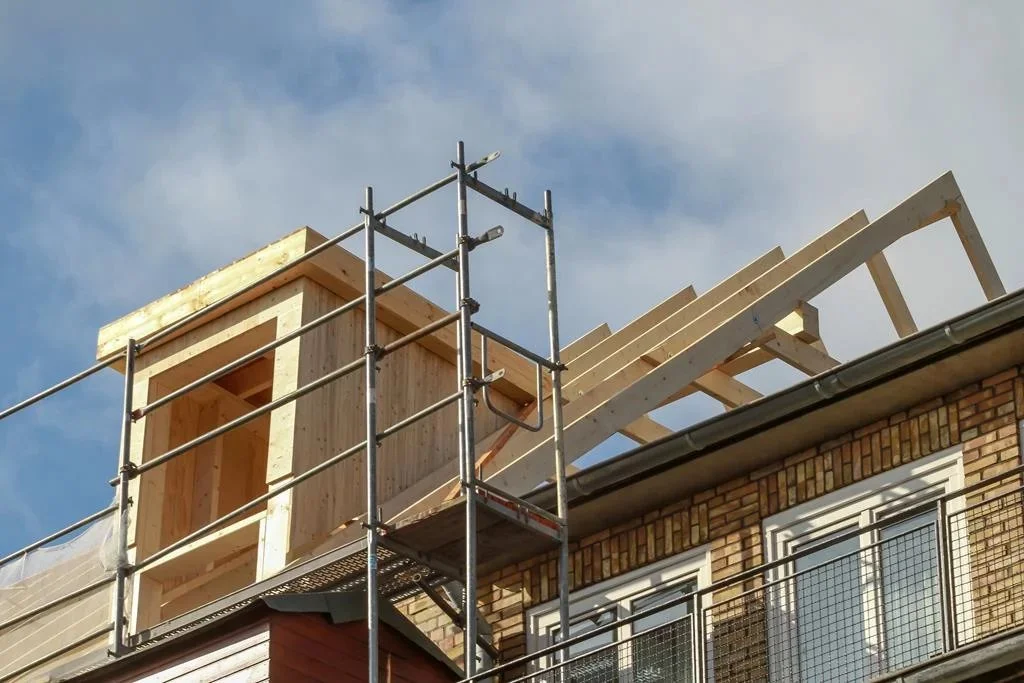
Once permits are secured, construction begins with site preparation, followed by the building of the extension. Our skilled team ensures high standards of workmanship and minimal disruption to your daily life.
Finishing Touches
After the main construction is complete, we focus on interior and exterior finishing touches. This includes flooring, painting, fixtures, and landscaping to ensure your extension is ready for use.
Conclusion
A well-planned home extension can transform your living space and add significant value to your property. At BNS Groundwork London, we are dedicated to helping you achieve your dream home with expert extension services tailored to your needs. Contact us today to start planning your home extension project.